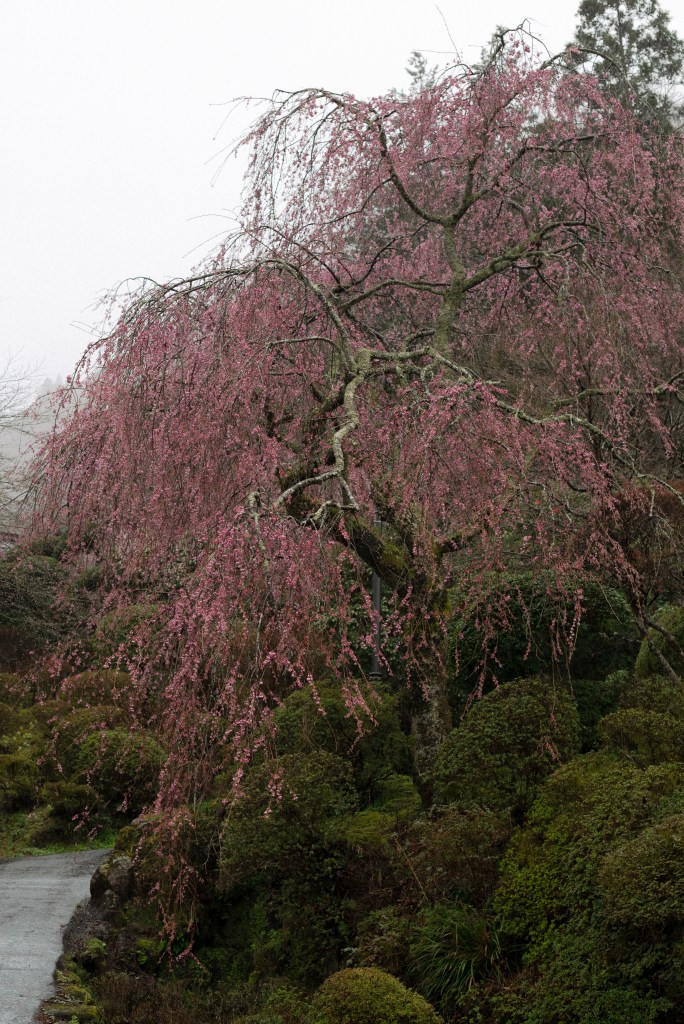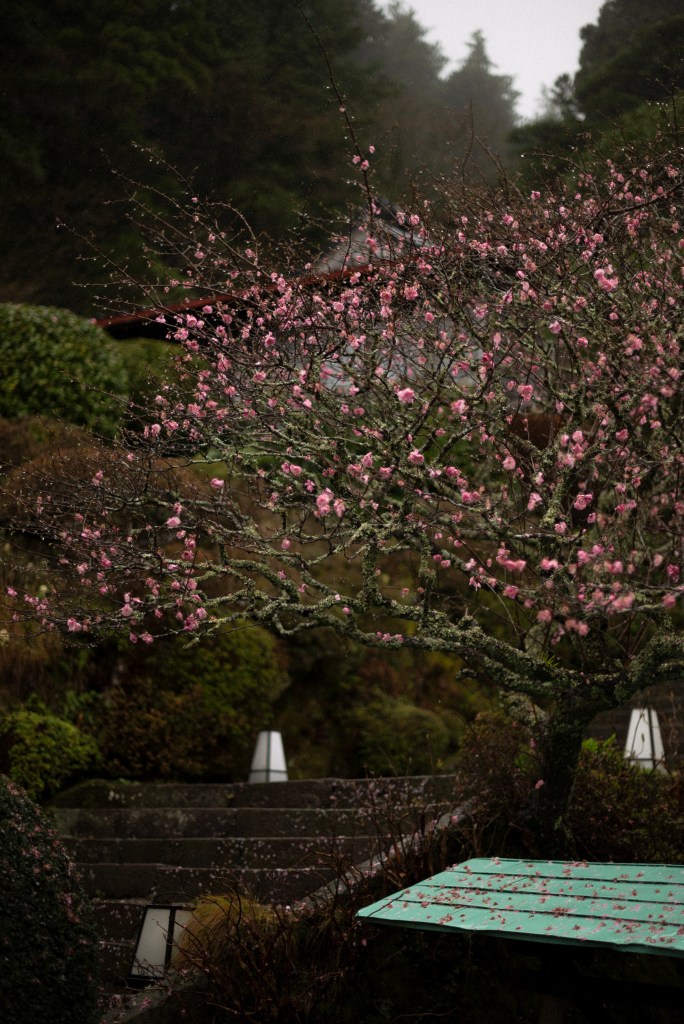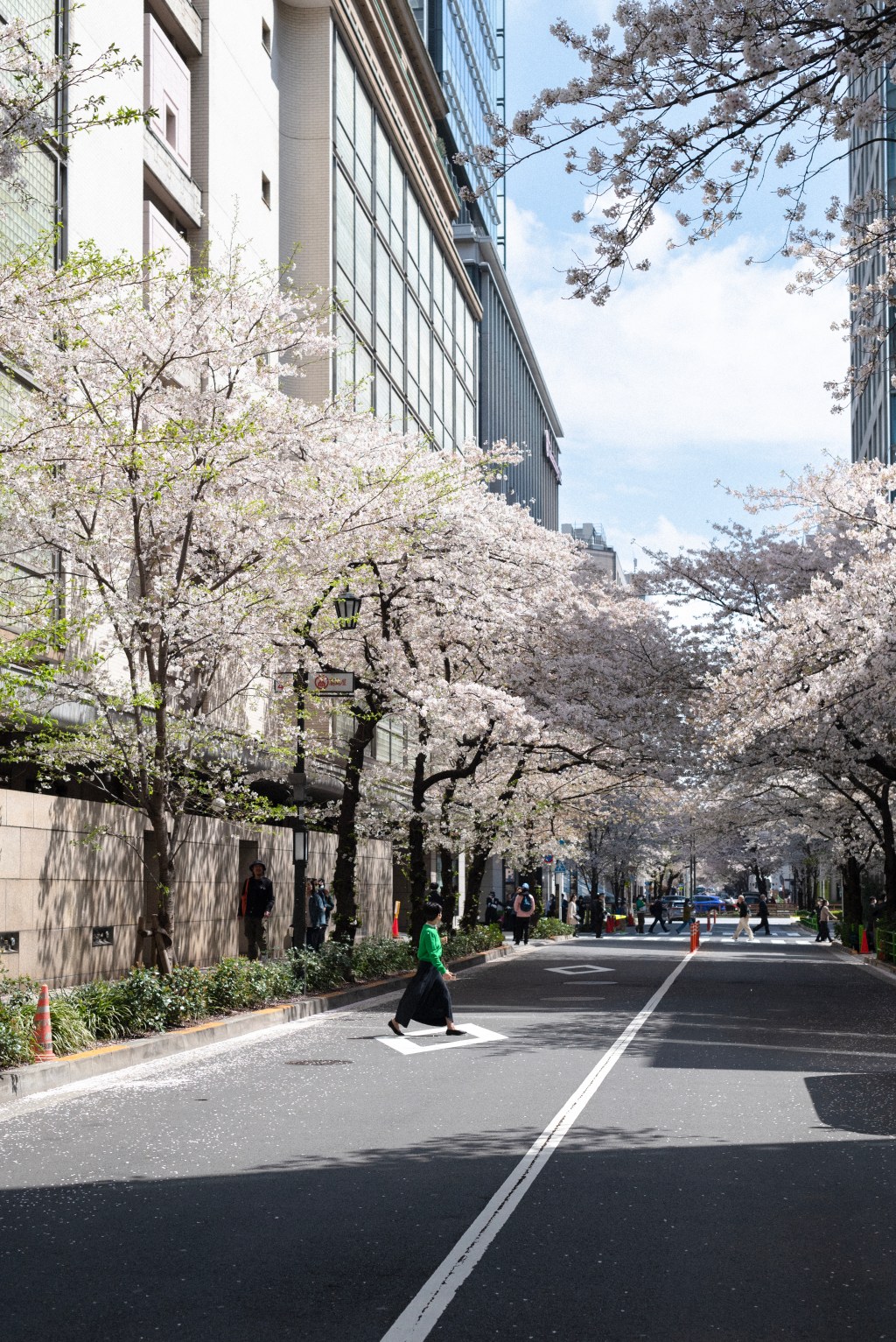
My husband and I travelled to Japan during what was, on average, considered too early for a full experience of its cherry blossom season. Given this, we managed to get a much better deal on our tickets, approx. 35% cheaper than what it would’ve been had we started our trip in late march-early April. However, I was determined to see at least a tree with some cherry blossoms close to or in, full bloom.
Luck (much warmer spring temperatures than usual, really) was on our side and we had a full bloom to “flower snowstorm” (hanafubuki) experience in Tokyo. Below is what I used months in advance to prepare myself for the worst case scenario, and what I’d continue to do.
The details
Briefly on blossoms
Cherry blossoms go through eight main stages:
- Green buds
- Florets visible
- Extension of florets
- Peduncle elongation
- Puffy White
- First bloom (kaika)
- Peak bloom (mankai)
- Falling petals (hanafubuki)
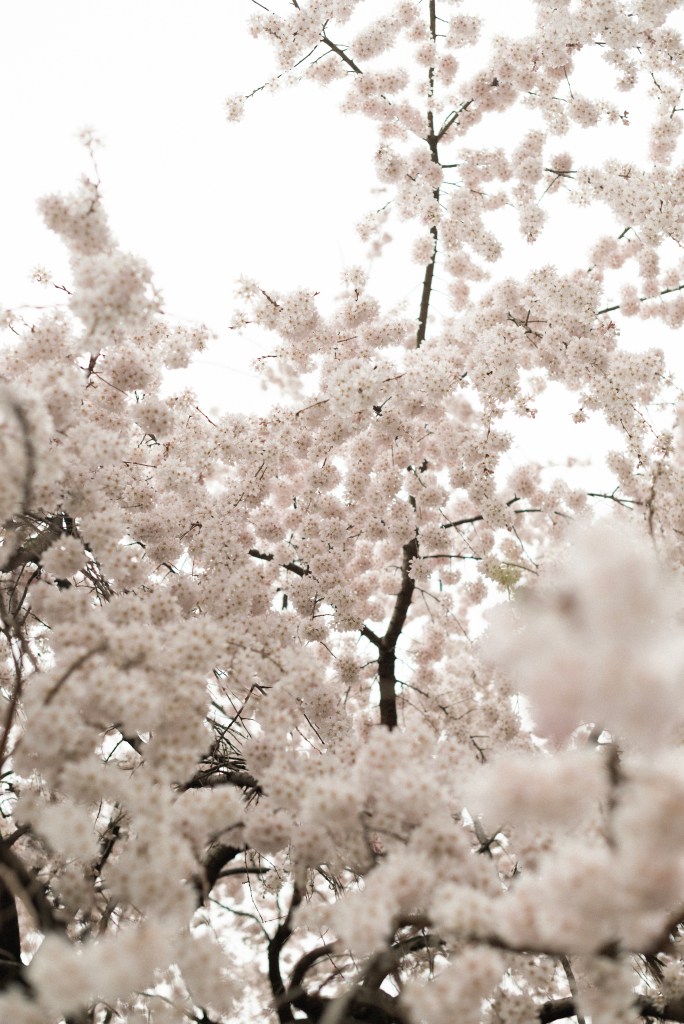
Depending on the weather conditions, the time between flowering, full bloom and petal fall can range anywhere between two weeks to a week. Warmer and windier conditions will speed up the process, whereas prolonged cold temperatures will slow it. This can vary across years, with 2024 experiencing much later blooms due to a sudden cold spell. The good thing is, is that Japan goes through what is known as the “cherry blossom front” (sakura zensen), where blossoms are experienced earlier the further south you go, however, Tokyo also closely follows the early-bloomer.
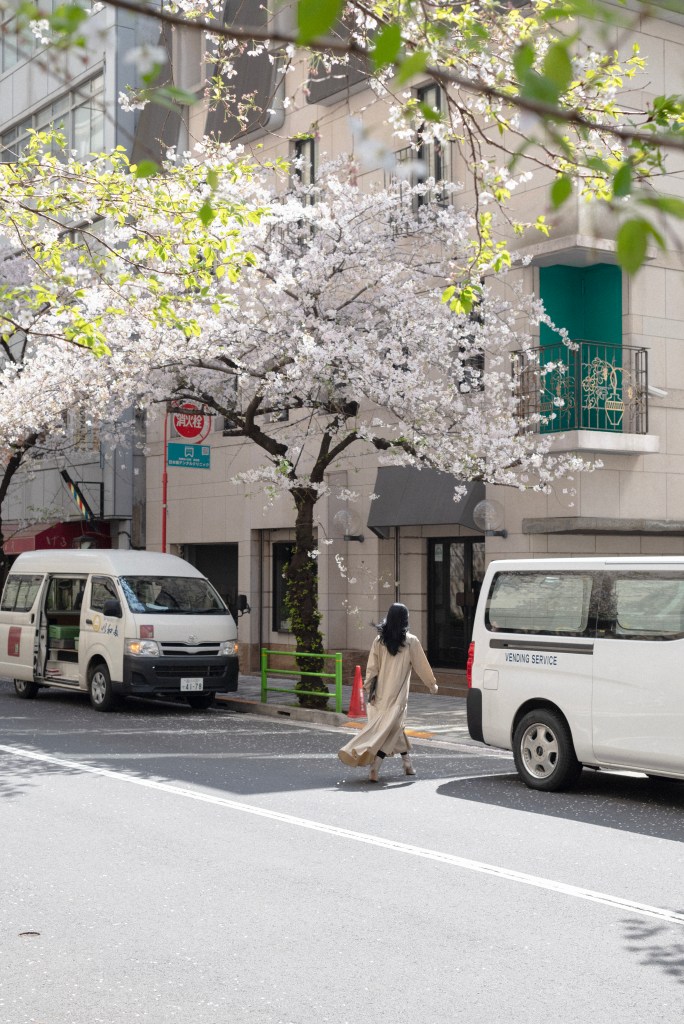
Plan around Tokyo
We arrived in Japan early-mid-March and left Tokyo end of March, and managed to see first blooms upon arrival, and experienced the falling petals when leaving. If you know your arrival and departure will be relatively early in March, plan for extra days in Tokyo at the end of your trip to be sure not to miss them. We knew it’d be extremely unlikely we’d experience the full bloom in Kyoto, so we went all-out in ensuring we have plenty of time in Tokyo.
Moving around Japan
As mentioned earlier, cherry blossom flowering advances through Japan over time, and the good news is, is that everything is incredibly well documented, down to specific trees tracked across hundreds of places in Japan. Incorporate some flexibility in your schedule for day trips if and where necessary. For example, if you’ve missed the full bloom in Tokyo, travel out of the city further up the mountains such as Nikko, where the temperatures are cooler.
Data and apps to actually help you
Probably the most important part. There is a tonne of data out there to help you make a decision. one of my favourite parts about Japan. Firstly, the (un)official forecast of the Japan cherry blossoms can be found here: JMC cherry blossom forecast. The first forecast usually goes out around the end of January (!!!) and is updated weekly in the same above link. I remember excitingly checking this every week and updating our travel plans accordingly.
Following on from that website, the real goldmine is the detailed “Cherry Blossom Navigator” here: JMC Sakura Navigator. The website is in Japanese, but use the built-in browser option (Chrome seems to be the best for this) to translate the page. For me, the most useful was the Region Selection to see forecasts per area here: JMC sakura navigator per region. When clicking through, you can see the current blooming “completion” rate, expected dates, and if you scroll further down, you’ll see a handy clickable map with individual locations which will lead you to the same information, but for that unique location. For example, Tokyo (found under Kanto region) is here: JMC sakura navigator: tokyo and you can see the completion rate and dates for locations such as Yaesu Sakura Street in Ginza.
I started saving locations to a dedicated list on Google Maps with early blossoming trees in Japan around a month before the trip. I needed just that one tree, whatever it takes. It was also a lovely way to explore alternative sakura spots beyond the most well-known ones.
Visuals
Some more pictures from when we went back in March 2023.
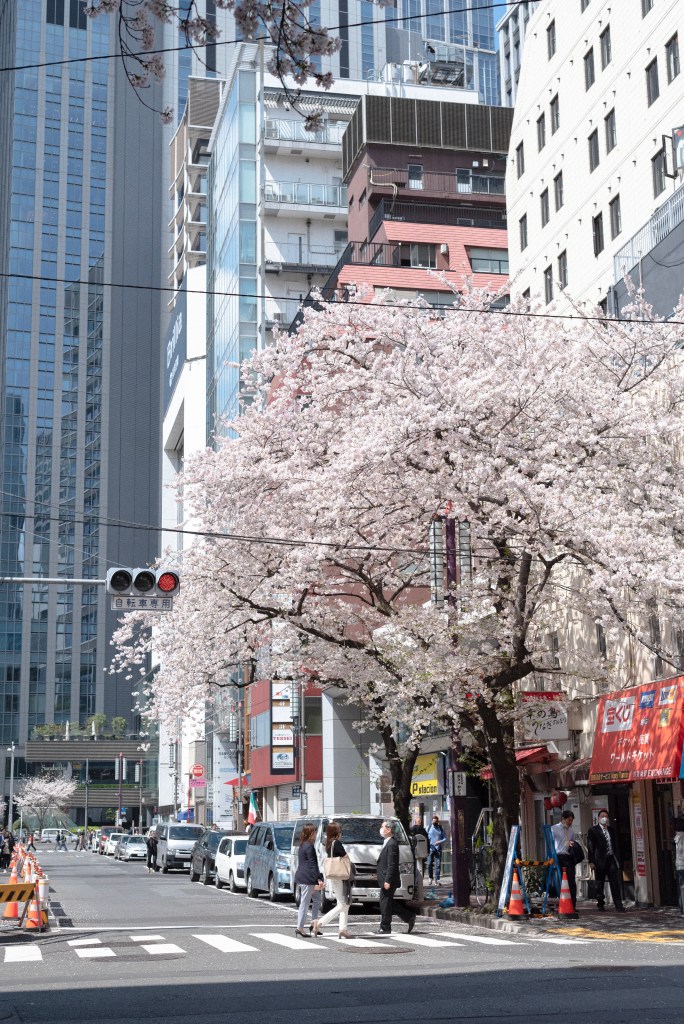
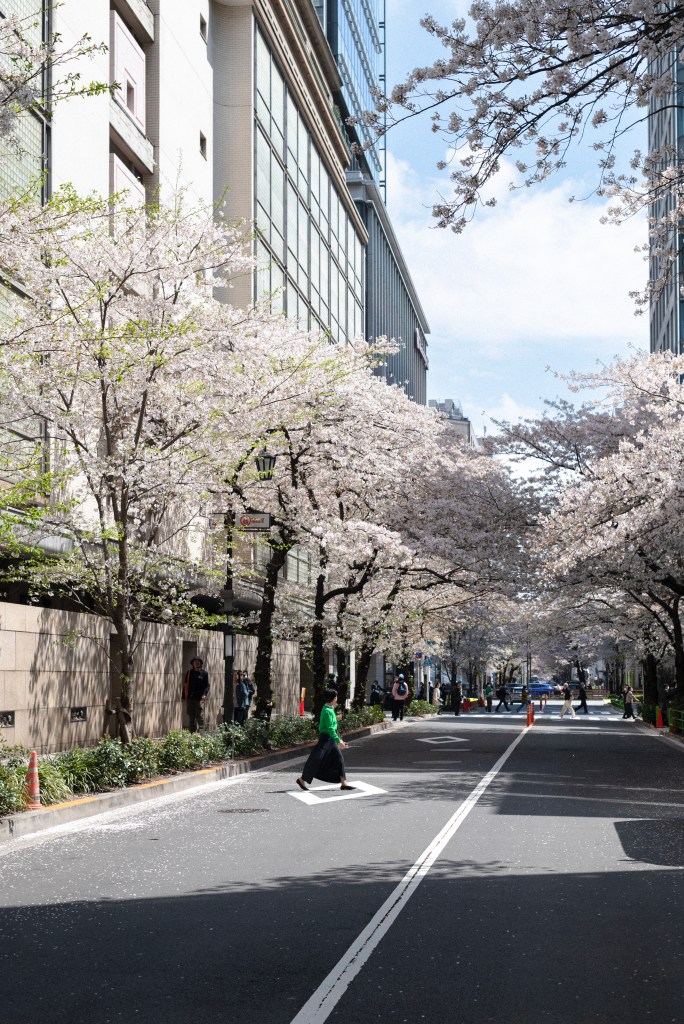
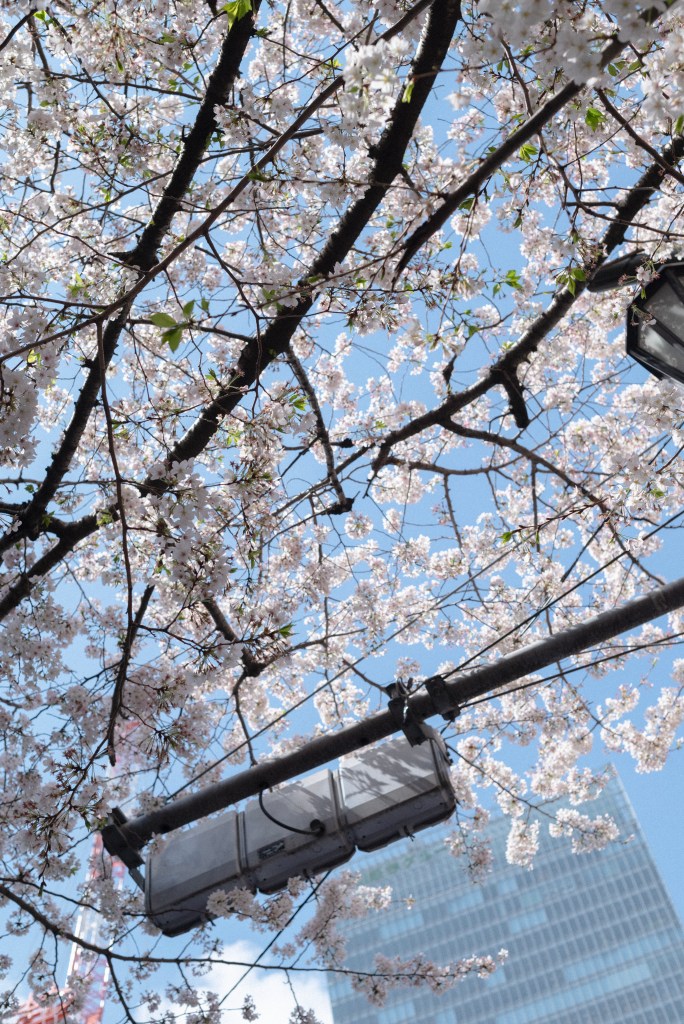
Ginza
I loved the contrasts in Ginza! specific Places saved were Sakura-dori street and Edokazura-dori street.
Roppongi Hills
Similar feel as ginza, but particularly magical when dark.
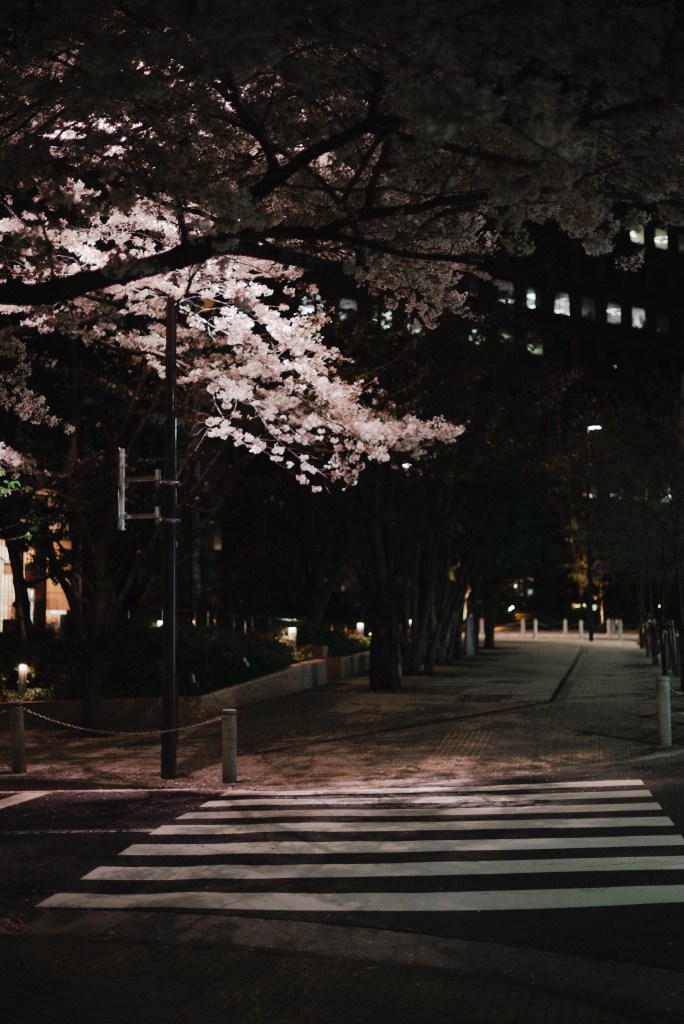
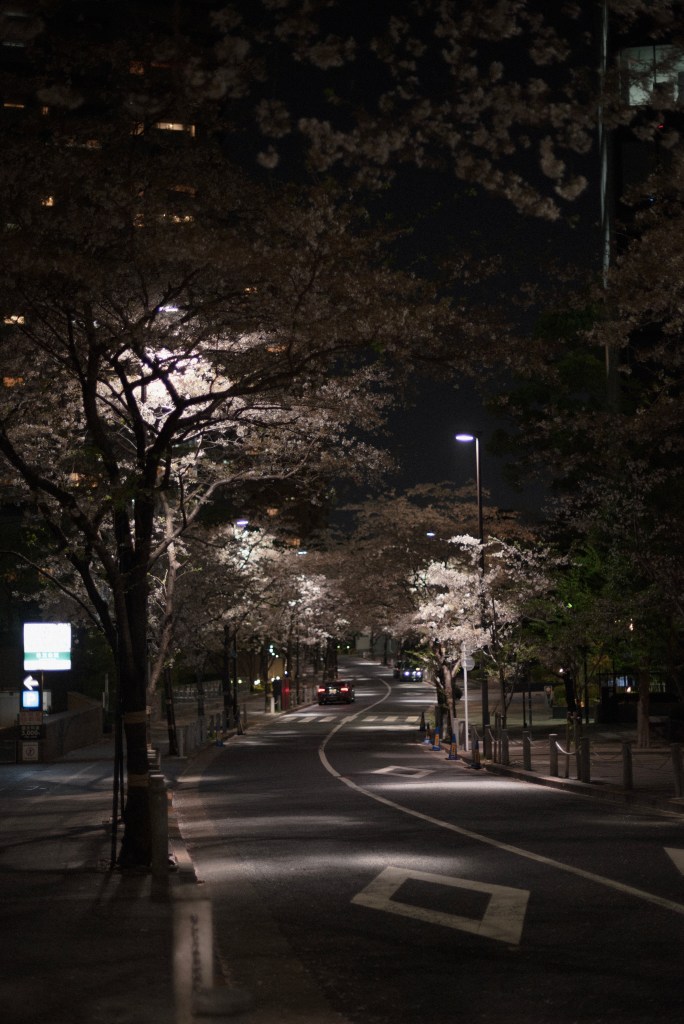
Shibuya + Shinjuku areas
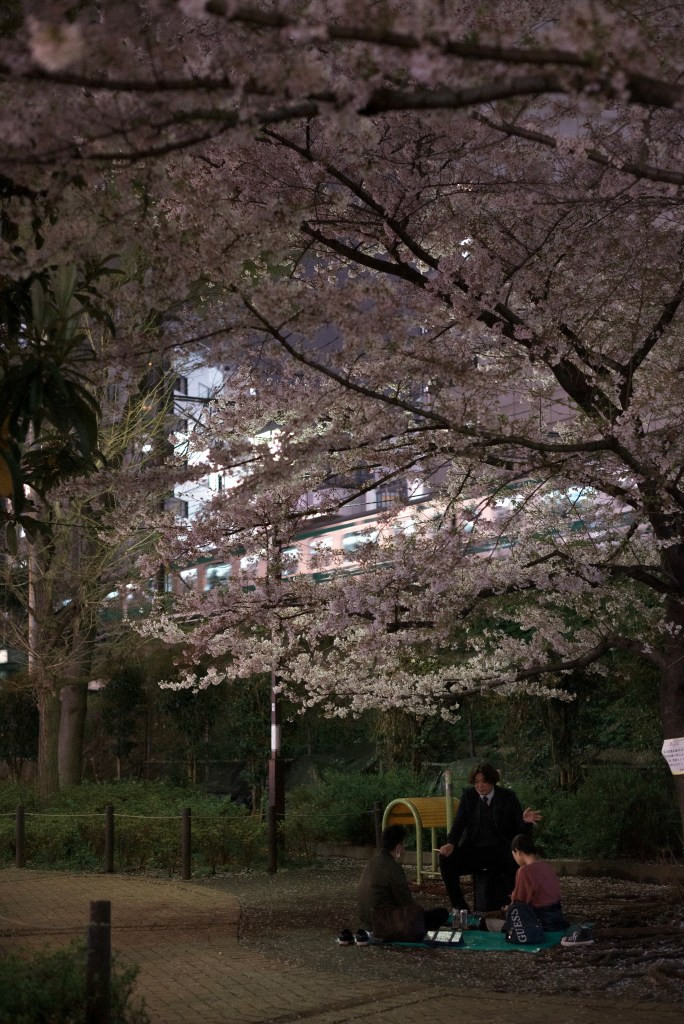
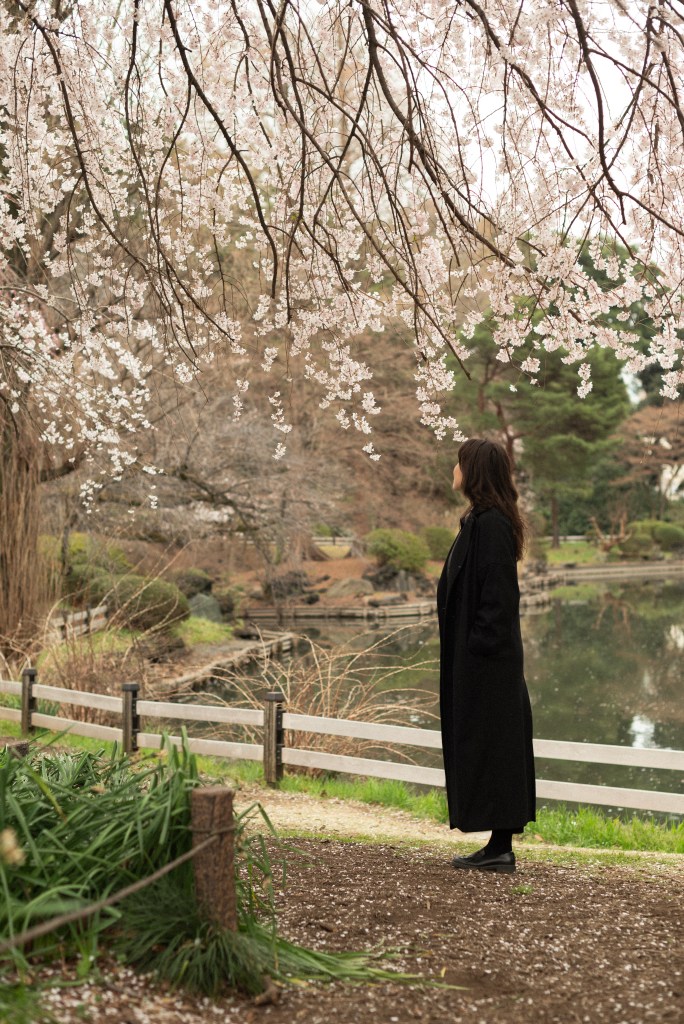
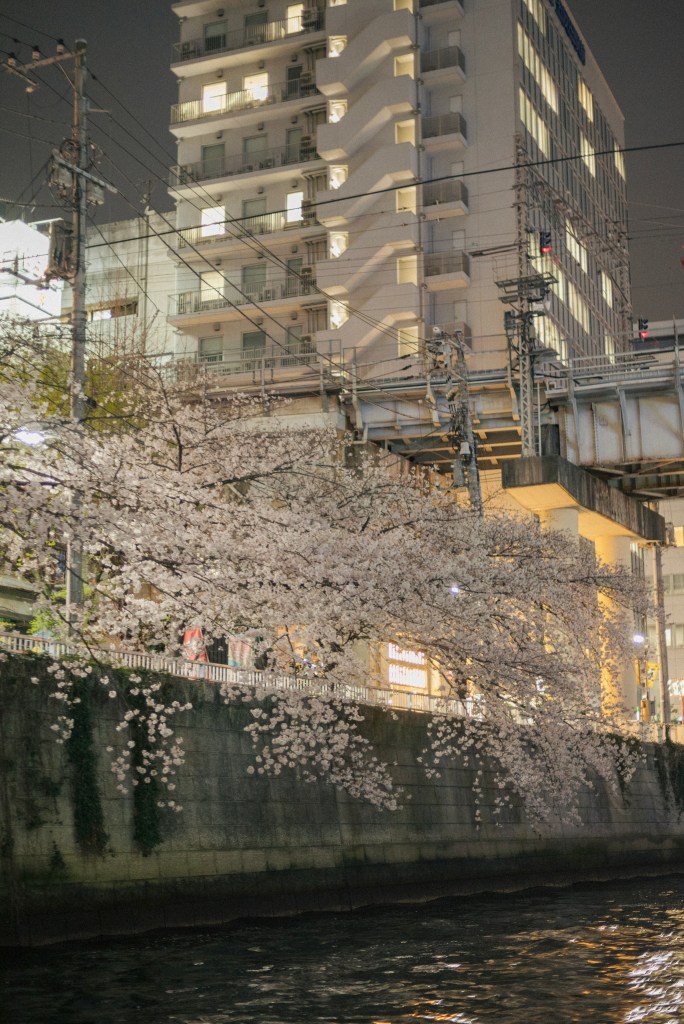
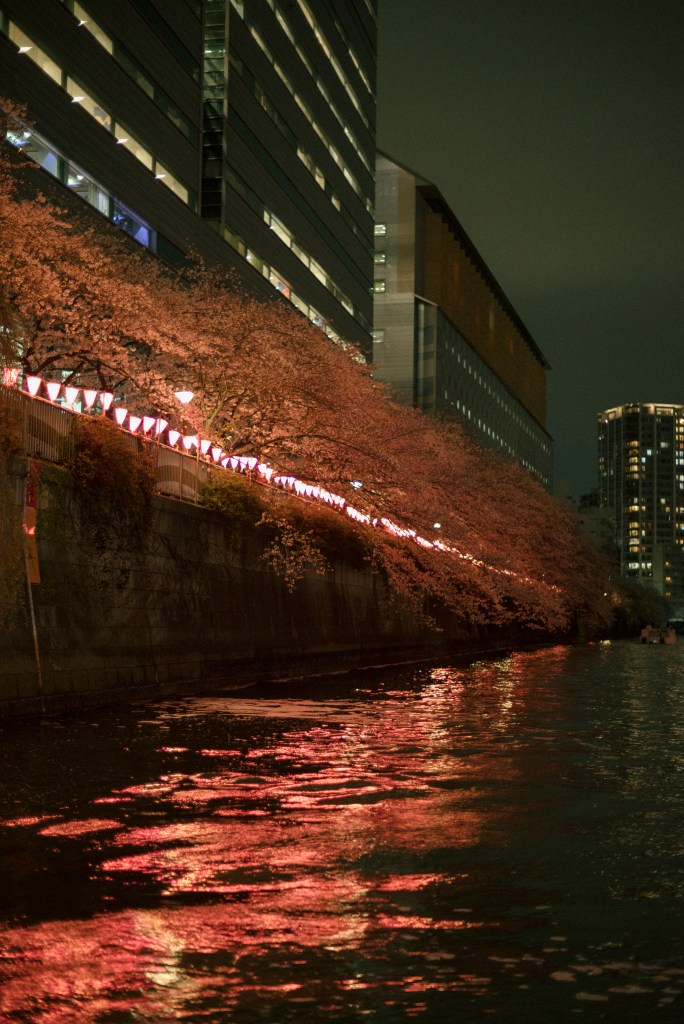
Meguro river
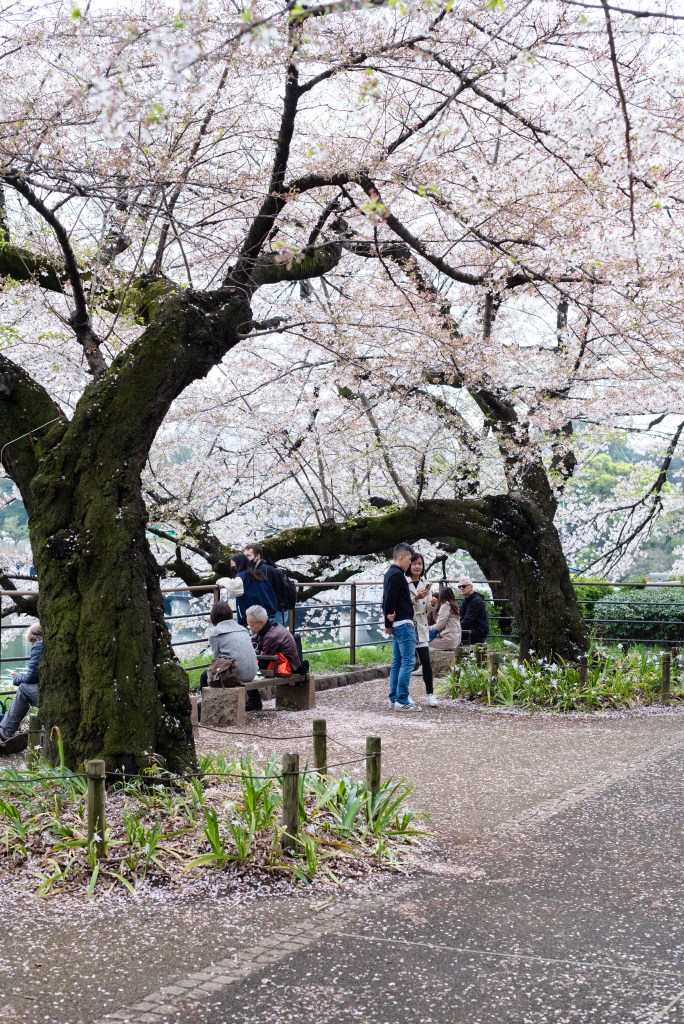
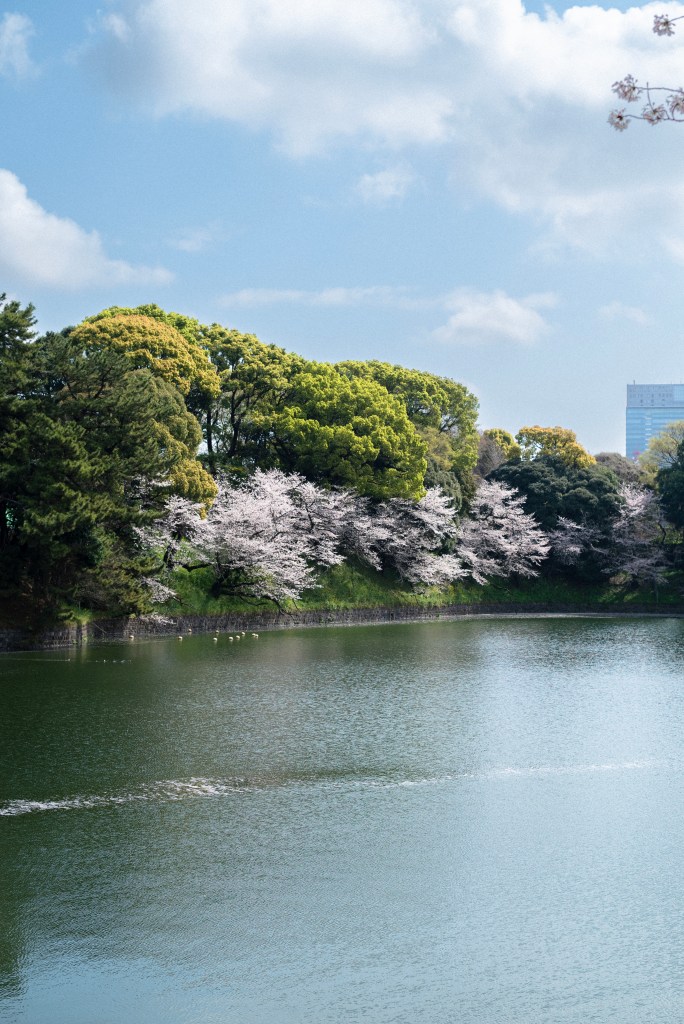
Chiyoda (Imperial Palace)
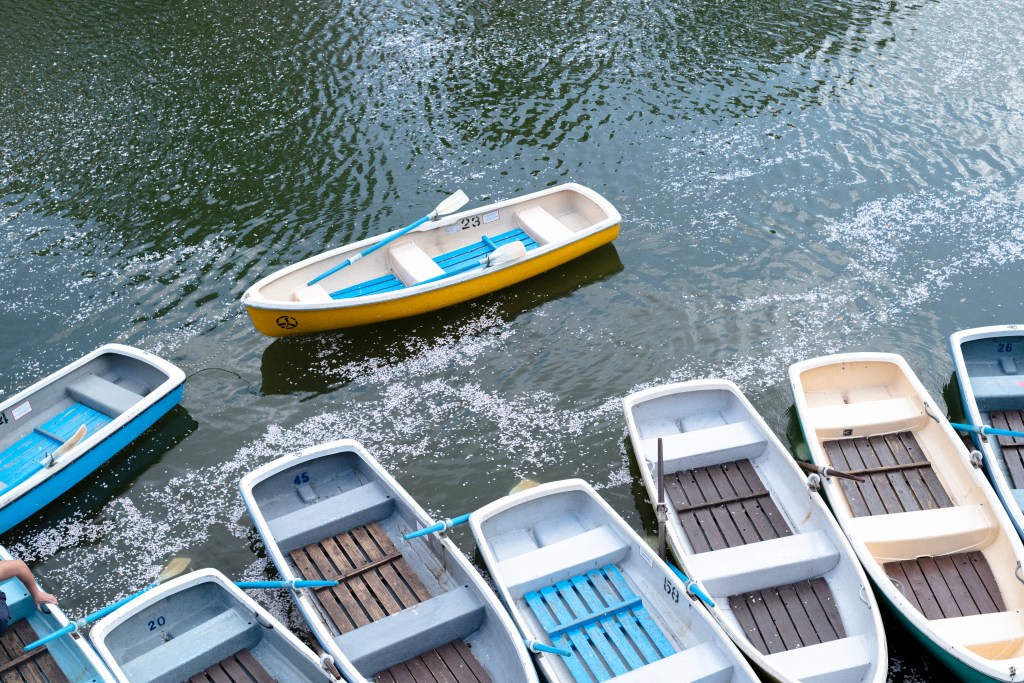
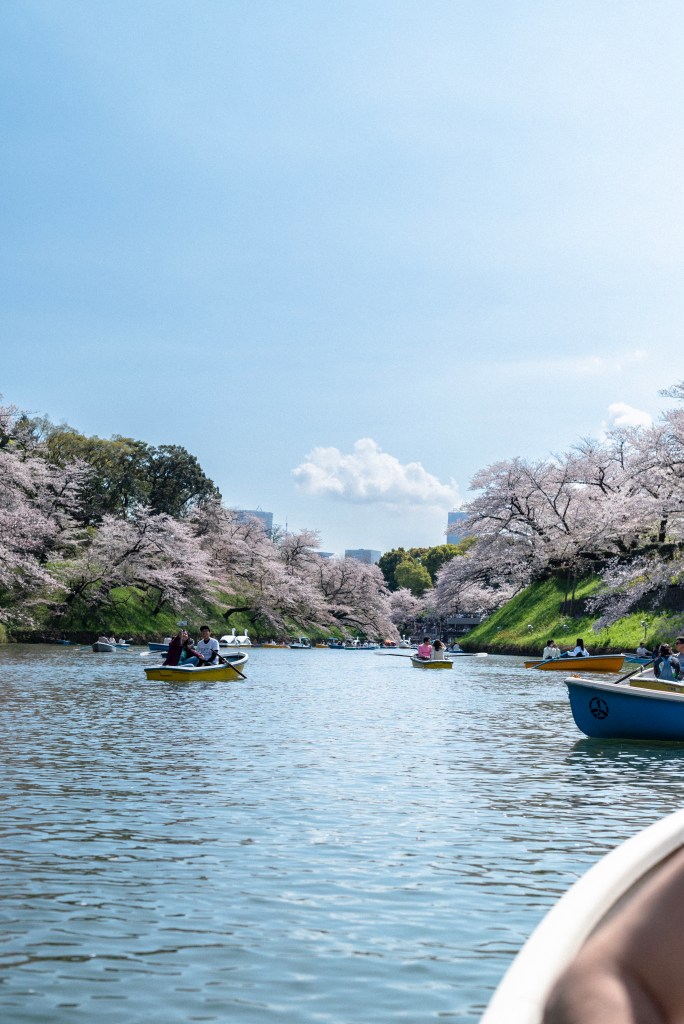
Nara
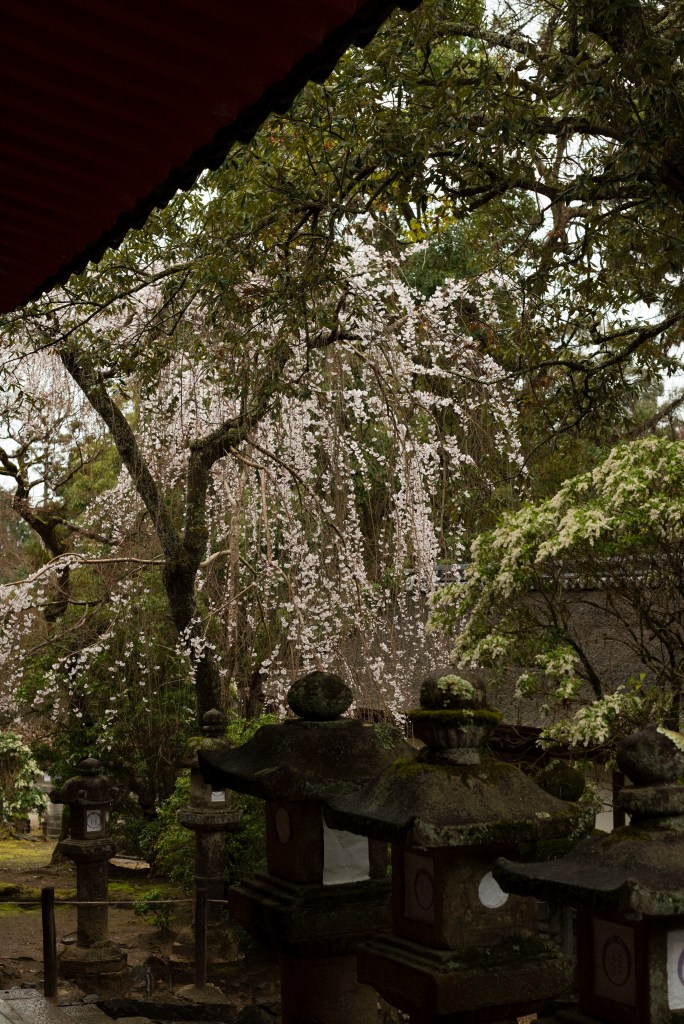
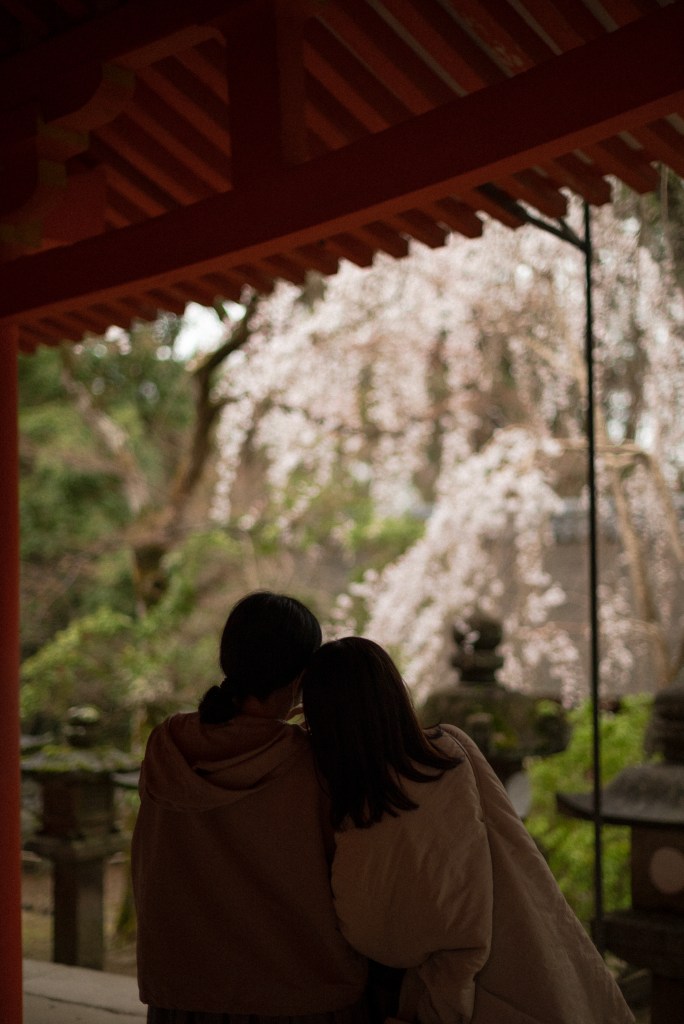
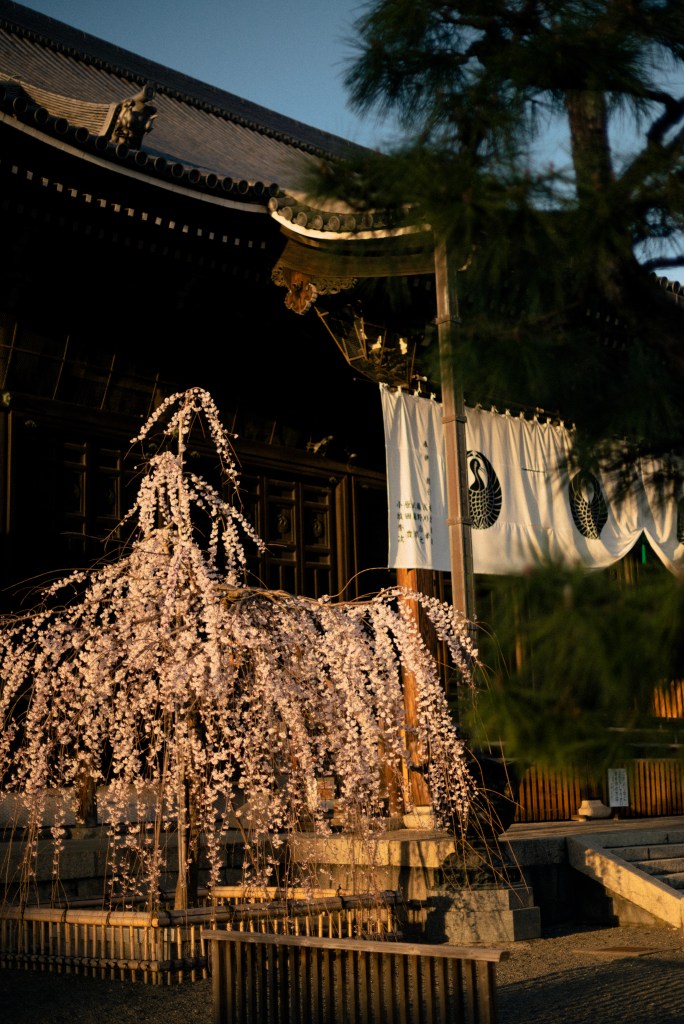
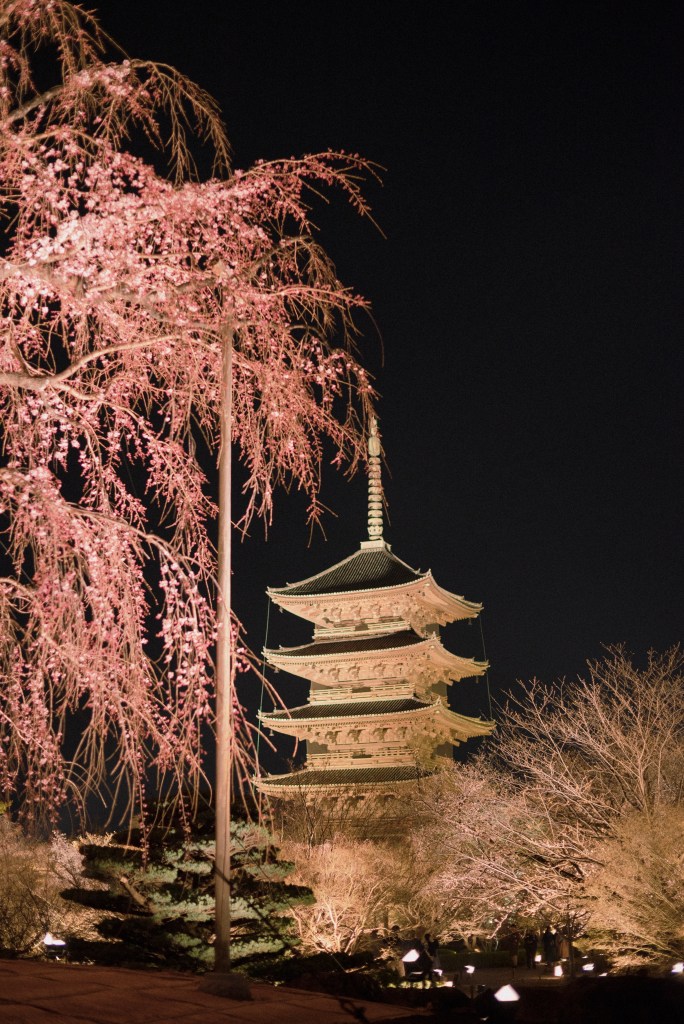
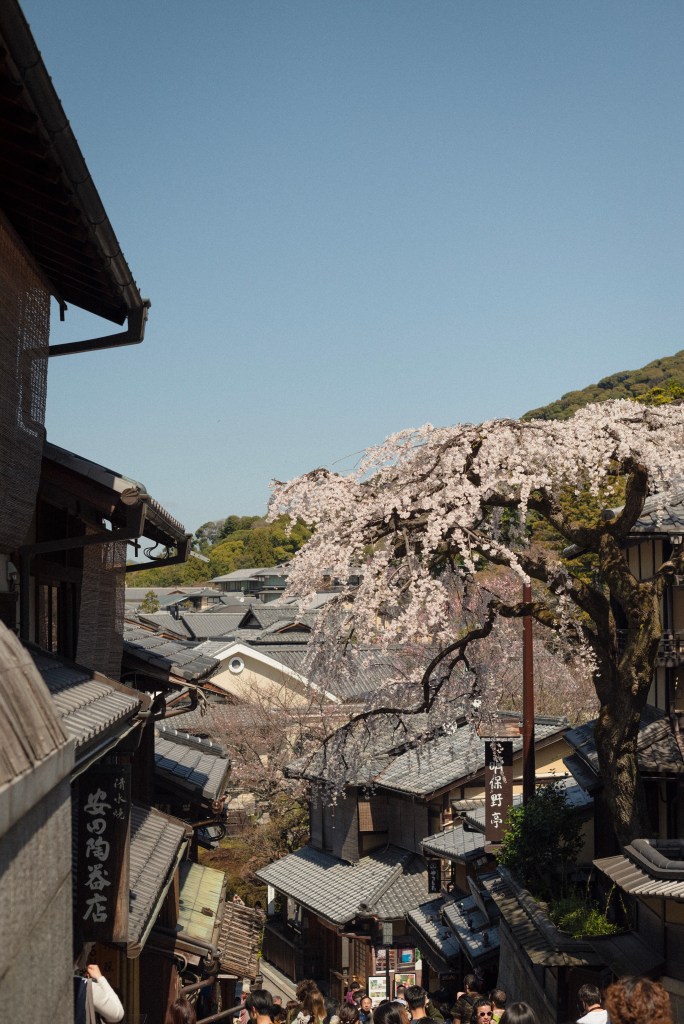
Kyoto
Hakone